Dear Strasbourg: Why This City Still Captures Hearts Beyond the Eurovision Stage
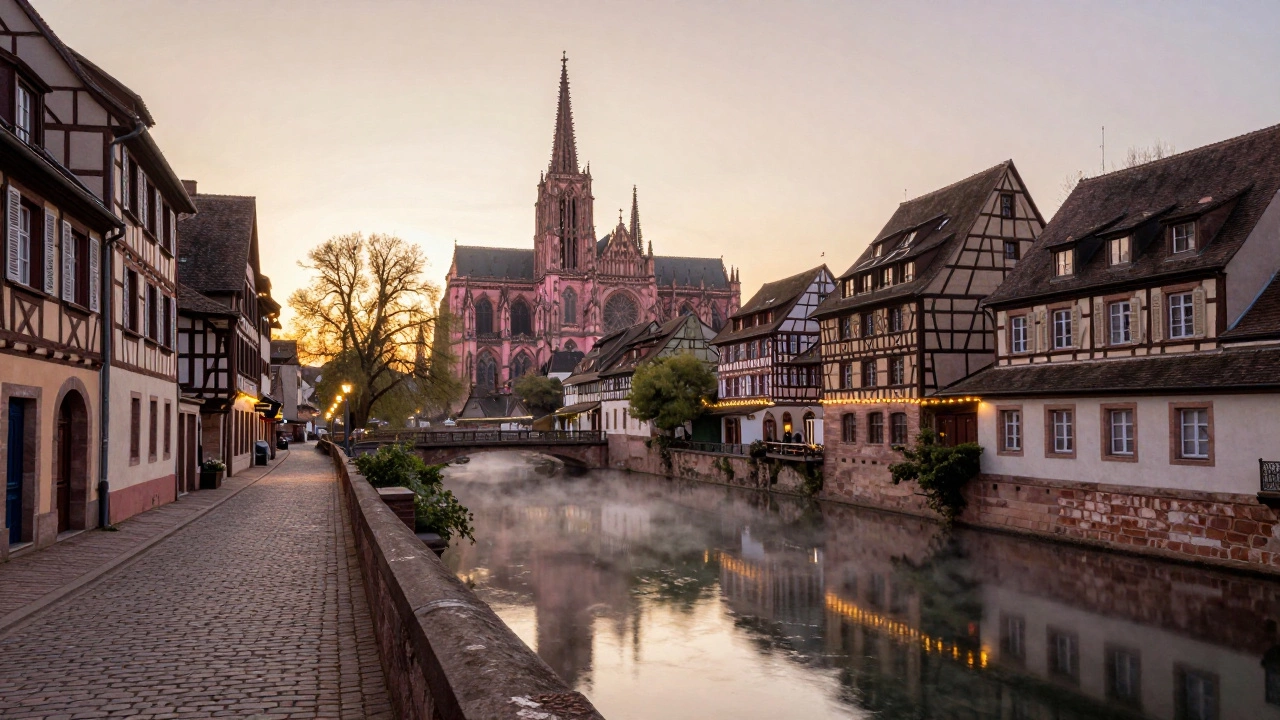
Strasbourg doesn’t shout. It whispers. You walk its cobblestone streets and feel the weight of centuries without being told. The half-timbered houses lean gently against each other like old friends sharing secrets. The Ill River curls around the Grande Île like a silver ribbon stitched into the city’s fabric. And yet, most people only know Strasbourg for one thing: the European Parliament. But if you’ve ever stood under the glow of its Christmas lights, sipped a glass of local Riesling in a tucked-away bistro, or watched the sun set behind the cathedral’s pink sandstone spires, you know it’s more than politics. It’s poetry in stone and wine.
There’s a quiet charm here that doesn’t fit into travel brochures. You won’t find neon signs or crowded tour buses lining the canals. Instead, you’ll find locals arguing over the best tarte flambée in the market, students reading under the arches of the Bibliothèque Nationale et Universitaire, and grandmothers hanging laundry between medieval windows. This isn’t a city designed for Instagram. It’s built for lingering. For slow mornings. For the kind of silence that only happens when history isn’t trying to sell you something. euro girls escort london might get attention online, but Strasbourg? It gets remembered.
History That Breathes, Not Just Stands Still
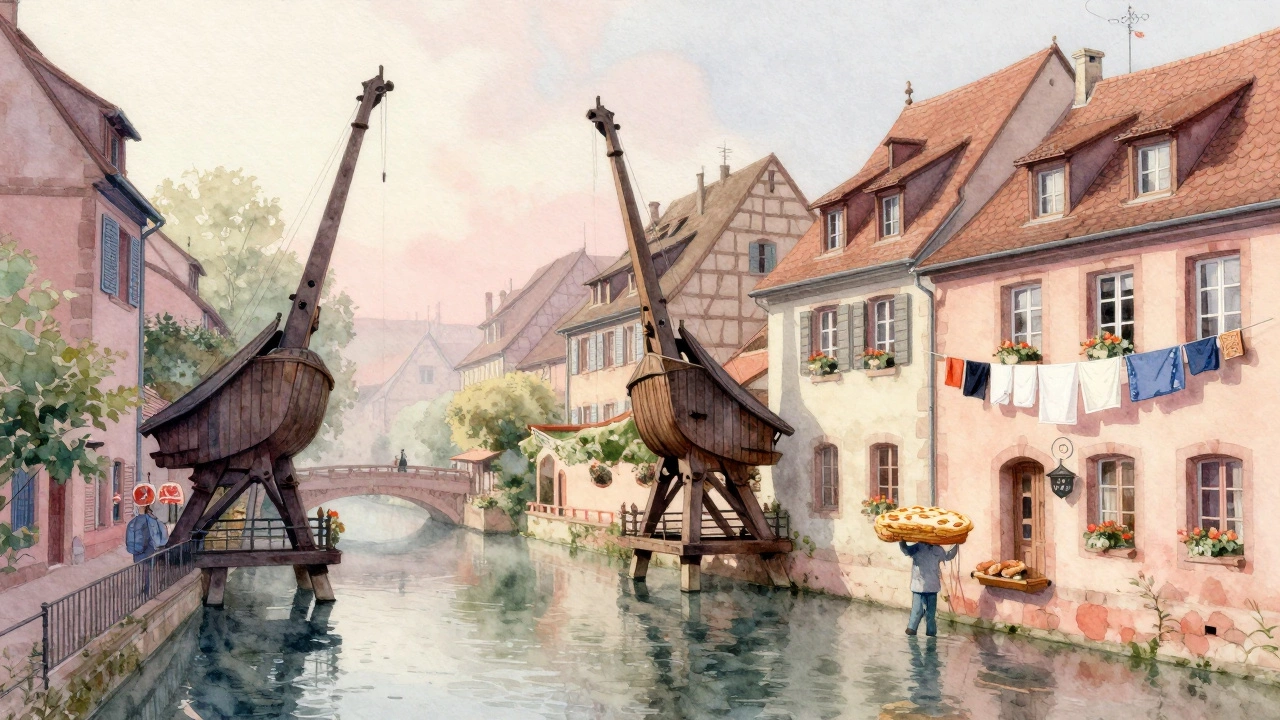
Strasbourg has changed hands between France and Germany more times than most cities change their street names. Each shift left behind something-language, architecture, food, law. The cathedral, built over 600 years, has Gothic spires that reach for the sky but were carved by hands loyal to emperors, kings, and republics. The Petite France district? Once a tanner’s quarter, now a postcard. The canals still carry water from the 14th century, and the wooden cranes that once lifted barrels of wine are now frozen in time, silent but still standing.
There’s no museum here that says "Do Not Touch." You can walk into the Palais Rohan and feel the same marble floors that cooled the feet of 18th-century nobles. You can sit on a bench near the Ponts Couverts and hear the same echo of footsteps that echoed when Napoleon marched through. History here isn’t behind glass. It’s under your shoes.
The Food That Doesn’t Need a Menu
Strasbourg’s kitchen doesn’t follow trends. It follows tradition. Alsatian cuisine is a blend of German heart and French finesse. Choucroute garnie? Not a side dish-it’s a whole meal, piled high with sausages, smoked pork, and sauerkraut that’s been fermented for weeks, not days. And the tarte flambée? Thin as a whisper, topped with crème fraîche, onions, and bacon, baked in a wood-fired oven until the edges crisp like autumn leaves. You eat it with your hands, sometimes on a wooden stool outside a tiny boulangerie, while the baker nods like you’ve just done something right.
Wine is part of the rhythm here. Riesling, Gewürztraminer, Pinot Gris-these aren’t labels on a shelf. They’re part of daily life. You’ll find families drinking it at lunch. Tourists sipping it at sunset. Locals pouring it into tiny glasses after church on Sunday. The wine here doesn’t cost a fortune. It costs time. Time spent waiting for the grapes to ripen. Time spent letting the flavors settle. Time spent sharing it with someone you care about.
The Quiet Rebellion of the Streets
Strasbourg doesn’t need loud protests to make a point. Its quiet resistance lives in the way people live. You’ll see women in headscarves buying bread next to men in berets. You’ll hear French, German, and Alsatian spoken in the same breath. You’ll find a Syrian refugee running a bakery that serves the same flammekueche his grandmother made in Aleppo. This city doesn’t force unity. It lets it grow.
There’s no official slogan. No branded campaign. Just people. Real people. Making coffee, fixing bikes, teaching kids to read, tending gardens. In a world where everything is optimized, monetized, and packaged, Strasbourg refuses to be streamlined. It’s messy. It’s imperfect. And that’s why it endures.
When the Light Changes
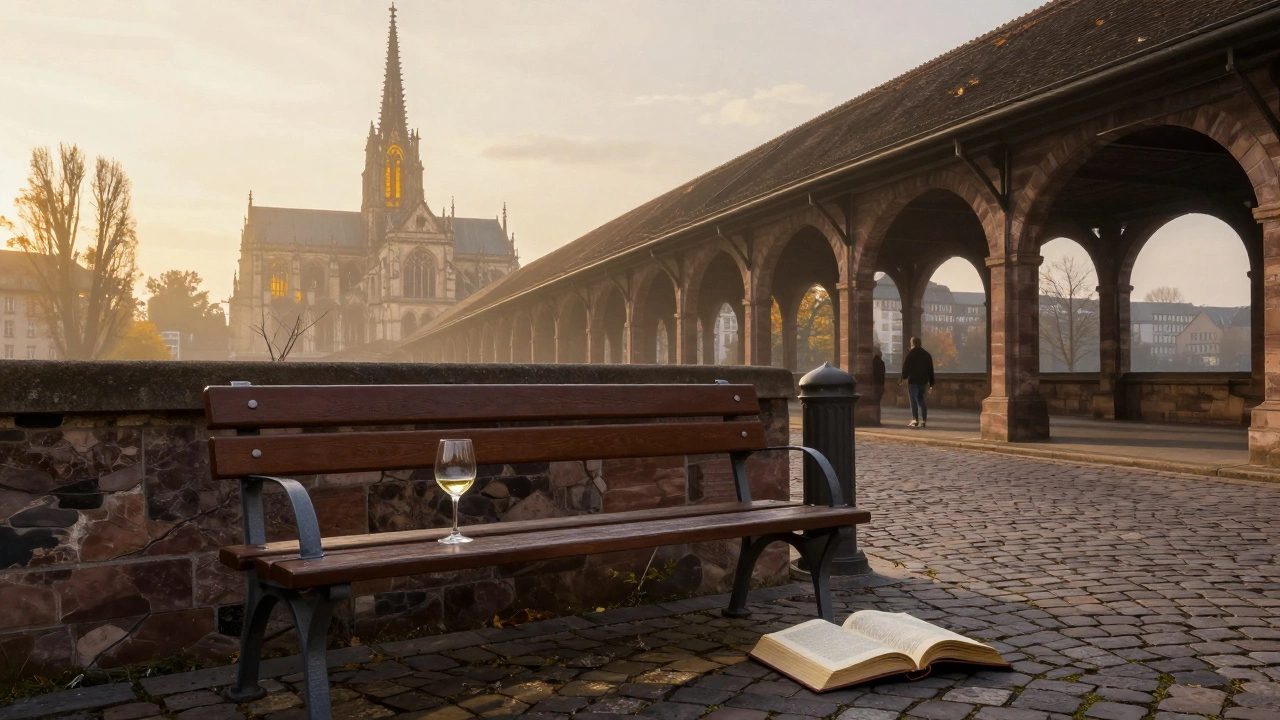
There’s a moment, just before dusk in late autumn, when the light turns gold and the mist rolls in from the river. The cathedral’s stained glass glows like fire. The lights on the bridges flicker on one by one. The scent of roasted chestnuts drifts from a corner cart. And for a few minutes, the whole city feels like it’s holding its breath.
That’s when you understand why Strasbourg doesn’t need to be famous. It doesn’t need to be the most visited. It doesn’t need to trend on social media. It just needs to be. To exist. To breathe. To let you sit on a bench, sip your wine, and feel like you’ve found something real.
What Makes a City Last?
Some cities survive because they’re beautiful. Others because they’re powerful. Strasbourg survives because it’s honest. It doesn’t pretend to be something it’s not. It doesn’t chase tourists. It welcomes those who come looking for something deeper.
There’s no statue of a hero here that tells you who to admire. No billboard screaming "Visit Now!" There’s just a city that remembers its past, honors its present, and lets the future unfold without interference.
If you’ve ever felt like the world is moving too fast, Strasbourg won’t speed up for you. It’ll wait. And when you’re ready, it’ll be there-with a glass of wine, a warm loaf of bread, and a silence that says more than any advertisement ever could.
euro girl escort london might make headlines, but Strasbourg? It makes memories.
euro escort girls london might get clicks, but Strasbourg gets hearts.